Picking a small dog for your family sounds simple. Find a cute one that stays small and loves kids. Done, right?
Not quite. The breed that works beautifully for one family can be a daily frustration for another. A high-energy terrier that thrives with three active kids is a terrible match for a quiet household with a newborn. A gentle lap dog that melts into a retired couple’s routine might be miserable in a loud, chaotic home with toddlers.
The best small dog breeds for families aren’t just the ones with the friendliest reputation — they’re the ones that match your specific energy level, space, daily routine, and the ages of your children.
This guide is honest. Every breed gets real pros and real cons. No breed is described as “perfect.” Because no dog is — but the right one for your family is out there, and this will help you find it.
At Puppy Heaven, we’ve matched families with small breed puppies for 21+ years and 30,000+ placements. Here’s what we’ve learned.
1. What Makes a Small Dog Good for Families?
Size alone doesn’t make a dog family-friendly. There are plenty of small dogs that are snappy, anxious, fragile, or just plain difficult to live with when children are involved. Here’s what actually matters:
Temperament
Look for a dog that’s naturally gentle, patient, and slow to react. A dog that snaps when startled or grabbed is dangerous around young children — not because it’s “mean,” but because children move unpredictably and don’t always understand personal space. Breeds with naturally stable, even temperaments give you a wider margin for the normal chaos of family life.
Size — But Specifically, Sturdiness
Very small dogs (under 7 lbs) are more easily injured by rough handling, being dropped, or colliding with a running child. This doesn’t mean they’re bad dogs — it means the burden of safety falls more heavily on the adults in the house. A small-to-medium breed (10–25 lbs) generally gives you more margin. Sturdier toy breeds like Pugs and Bulldogs tend to hold up better around kids than extremely fine-boned dogs like Chihuahuas or Toy Yorkies.
Energy Level
Match the dog’s energy to your household’s energy. An active family with older kids who play outside daily is a great match for a higher-energy small breed. A quieter home with a baby or a working parent who needs calm during the day needs a lower-energy companion. Neither is right or wrong — they’re just different needs.
Trainability
A well-trained small dog is a joy. An untrained small dog is surprisingly difficult to live with — small dogs can develop the same behavioral problems as any other dog, they’re just easier to ignore because they’re physically manageable. Breeds that respond quickly to positive reinforcement are much easier to integrate into a family routine.
Grooming Commitment
Be honest with yourself here. A breed that needs daily brushing and professional grooming every 4 weeks is a real time and money commitment on top of everything else a family manages. Some families love the routine; others find it stressful after the first few months. Low-grooming breeds reduce that pressure.
Shedding
Some families couldn’t care less about dog hair on the couch. Others have family members with allergies, or simply don’t want to vacuum every day. Low-shedding breeds reduce household hair significantly, though no dog is completely non-shedding or fully hypoallergenic.
Compatibility With Children — Specifically Your Children’s Ages
This is the detail most breed guides skip. A breed described as “great with kids” usually means children 6 and older who understand how to approach a dog calmly. Toddlers and preschoolers interact with dogs very differently — fast movements, grabbing, face-level interaction, and unpredictable squealing. Some breeds handle this naturally; many don’t. We note age suitability for every breed below.
One More Thing Most Guides Don’t Say
Breed gives you tendencies — not guarantees. A puppy’s individual temperament, early socialization, training, and the environment it grows up in all shape the adult dog. A well-raised dog from a breed considered “not great with kids” can be a wonderful family dog. A poorly socialized dog from a “great with kids” breed can be a problem. Breed is your starting point, not your finish line.
2. Quick Comparison Table: 13 Best Small Dog Breeds for Families
| Breed | Adult Size | Energy Level | Grooming | Shedding | Good With Kids? | Best For |
|---|---|---|---|---|---|---|
| Cavalier King Charles Spaniel | 12–18 lbs | Low–Moderate | Moderate | Moderate | Excellent (all ages) | Gentle families, seniors, quiet homes |
| Beagle | 20–30 lbs | Moderate–High | Low | Moderate | Excellent (all ages) | Active families, homes with yard |
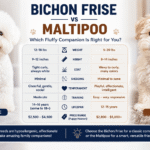
| Bichon Frise | 12–18 lbs | Low–Moderate | High | Minimal | Very good (6+) | Allergy-sensitive families, apartments |
| Maltipoo | 5–20 lbs | Moderate | Moderate–High | Minimal | Very good (5+) | First-time owners, allergy families |
| Pug | 14–18 lbs | Low | Low | Moderate–High | Excellent (all ages) | Apartment families, laid-back homes |
| Havanese | 7–13 lbs | Low–Moderate | High | Minimal | Excellent (5+) | Social families, apartments, first-timers |
| Shih Tzu | 9–16 lbs | Low | High | Minimal | Good (6+) | Calm homes, seniors, apartment life |
| French Bulldog | 20–28 lbs | Low | Low | Moderate | Very good (4+) | Apartments, busy families, city life |
| Miniature Schnauzer | 11–20 lbs | Moderate | Moderate | Minimal | Very good (6+) | Smart, active families |
| Cocker Spaniel | 20–30 lbs | Moderate | High | Moderate | Excellent (all ages) | Families with yard, gentle households |
| Pembroke Welsh Corgi | 25–30 lbs | Moderate–High | Moderate | High | Very good (6+) | Active families, homes with space |
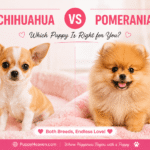
| Pomeranian | 3–7 lbs | Moderate | High | Moderate | Good (8+) | Families with older kids, apartments |
| Maltese | 4–7 lbs | Low | High | Minimal | Good (8+) | Calmer families, allergy sufferers |
3. The 13 Best Small Dogs for Families — Full Profiles
1. Cavalier King Charles Spaniel
Adult size: 12–18 lbs | Height: 12–13 inches | Lifespan: 12–15 years
If there’s one small breed that consistently earns the title of most naturally family-friendly, it’s the Cavalier. This dog was literally bred to be a gentle companion — and it shows in every interaction. Cavaliers don’t have an aggressive bone in their body. They’re patient with young children, gentle with seniors, friendly with strangers, and easy to live with whether you’re in a house or an apartment.
Temperament: Sweet, gentle, affectionate, eager to please. Wants to be with people constantly. Rarely reactive or defensive.
With kids: Outstanding with children of all ages, including toddlers. One of the safest small breeds around young children because of its naturally soft, tolerant nature.
Exercise: Moderate — two 20-minute walks daily is enough. Enjoys gentle play but doesn’t demand intense activity.
Grooming: The silky coat needs brushing 3–4 times per week and professional grooming every 6–8 weeks. Ears need regular checking for infection.
Drawbacks: The Cavalier has a serious heart health issue — Mitral Valve Disease is extremely common in the breed, often appearing by middle age. Buy from health-tested parents (CAER eye exams, cardiac clearances at 2+ years) and budget for cardiac monitoring as the dog ages. Also prone to separation anxiety.
Best for: Any family setup — apartments, houses, active homes, quiet homes. This breed adapts to almost anything. Ideal for families with children under 5 who want a small dog they don’t have to worry about around their kids.
2. Beagle
Adult size: 20–30 lbs | Height: 13–15 inches | Lifespan: 12–15 years
The Beagle is technically at the larger end of “small,” but it earns its place on this list because of how naturally it fits into active family life. This is a sturdy, happy, curious dog with enough energy to keep up with kids and enough gentleness to be genuinely safe around them.
Temperament: Merry, curious, friendly, social. Beagles rarely meet a person or animal they don’t like. They’re pack dogs by nature, which means they love being in a family environment with lots of activity.
With kids: Excellent with children of all ages. Sturdy enough to handle enthusiastic play, gentle enough not to be reactive when handled imperfectly.
Exercise: Needs 45–60 minutes of active exercise daily. A yard helps enormously. Without enough exercise, Beagles become destructive and vocal.
Grooming: Very low — short coat needs a quick weekly brush. Moderate seasonal shedding.
Drawbacks: Beagles howl and bay, loudly and often. This is a breed trait, not a training failure — though you can reduce it. They also have an extraordinary nose that can override their recall; never trust a Beagle off-leash unless you’re in a fully fenced area. They eat compulsively and gain weight easily.
Best for: Active families with a yard, families with multiple children, homes where someone is around for most of the day. Not ideal for apartments or noise-sensitive environments.
3. Bichon Frise
Adult size: 12–18 lbs | Height: 9–12 inches | Lifespan: 14–16 years
The Bichon Frise is cheerful in a way that’s almost contagious. It greets everyone with enthusiasm, adapts easily to different household environments, and has one of the longest average lifespans of any small breed. Families often keep their Bichon for 15+ years.
Temperament: Happy, social, gentle, sensitive. Does not do well in tense or chaotic environments — the Bichon picks up on emotional stress and becomes anxious when it can’t read the room.
With kids: Very good with children 6 and older who handle the dog gently. For toddlers, the Bichon’s sensitivity means supervision is important — not because it’s aggressive, but because it gets overwhelmed by rough handling and may retreat or snap out of anxiety.
Exercise: Low to moderate — two short daily walks is sufficient. Happy with indoor play on days when walking isn’t possible.
Grooming: This is the Bichon’s biggest time commitment. Daily brushing is required to prevent matting. Professional grooming every 4–6 weeks is standard. Tear staining under the eyes needs daily cleaning.
Drawbacks: Significant grooming demand. Prone to allergies and skin issues. Potty training can be slower than other breeds. Does not handle being alone for long periods.
Best for: Families where someone is home most of the day. Great for allergy-sensitive households. Apartment-friendly. Excellent for families who enjoy the grooming routine and want a long-lived companion.
Browse available Bichon Frise puppies at Puppy Heaven.
4. Maltipoo
Adult size: 5–20 lbs (Toy to Miniature) | Height: 8–14 inches | Lifespan: 12–15 years
The Maltipoo — a cross between a Maltese and a Poodle — has become one of the most popular small family dogs in America, and the reasons are legitimate. It combines the Poodle’s intelligence and low-shedding coat with the Maltese’s gentle, affectionate nature. The result is a highly trainable, adaptable, allergy-friendly dog that works in a surprising range of family setups.
Temperament: Playful, curious, affectionate, smart. More mentally active than the Bichon or Shih Tzu — needs engagement and play, not just lap time.
With kids: Very good with children 5 and older. The Toy Maltipoo (under 10 lbs) needs careful handling around very young children due to its small frame. The Miniature Maltipoo (10–20 lbs) is sturdier and more forgiving.
Exercise: Moderate — 30–45 minutes of daily activity, including mental stimulation through training or puzzle toys.
Grooming: Brushing 3–4 times per week minimum. Professional grooming every 6–8 weeks. Low-shedding but not zero-maintenance.
Drawbacks: Appearance and size vary between puppies even within the same litter. Alert barker — bark training is important early. Prone to separation anxiety.
Best for: First-time dog owners. Allergy-sensitive families. Apartment dwellers. Families who want a trainable, interactive dog that can also cuddle.
Browse available Maltipoo puppies at Puppy Heaven.
5. Pug
Adult size: 14–18 lbs | Height: 10–13 inches | Lifespan: 12–15 years
The Pug is one of the most naturally child-tolerant breeds in existence. It’s sturdy, laid-back, and genuinely unbothered by the noise and chaos of family life. If your household is loud, busy, and unpredictable, the Pug is one of the few small breeds that doesn’t just tolerate it — it thrives in it.
Temperament: Charming, goofy, sociable, even-tempered. Pugs live for human company and are unfailingly good-natured with everyone they meet. They do not have a reactive or defensive bone in their body.
With kids: Outstanding with children of all ages, including toddlers. One of the most naturally tolerant small breeds with young children.
Exercise: Low — 20–30 minutes daily is plenty. Cannot overheat; avoid intense exercise in hot weather. Be careful with brachycephalic (flat-faced) breathing issues.
Grooming: Short coat is low-maintenance — weekly brush. But the facial wrinkles need daily cleaning to prevent bacterial and yeast infections between the folds.
Drawbacks: Pugs are a brachycephalic breed — the flat face causes breathing difficulties that range from mild to severe. They snore, snort, and can overheat quickly. Health costs can be higher than for other breeds. They shed more than their short coat suggests. Not a good runner’s companion.
Best for: Apartment families. Laid-back households. Any home where tolerance with young children is the top priority. Families who don’t want to manage exercise demands.
6. Havanese
Adult size: 7–13 lbs | Height: 8.5–11.5 inches | Lifespan: 14–16 years
The Havanese is the national dog of Cuba, and it carries that warm, friendly, adaptable spirit into every household it enters. This breed is genuinely social — it bonds with the whole family rather than latching onto one person. That makes it unusually well-suited to multi-person homes, especially those with children.
Temperament: Outgoing, affectionate, playful, gentle. The Havanese loves everyone equally. It’s curious, adaptable, and genuinely easy to be around.
With kids: Excellent with children 5 and older. Gentle enough not to be reactive, playful enough to engage with kids’ energy levels.
Exercise: Low to moderate — short daily walks plus indoor play. Not a demanding breed physically.
Grooming: The long, silky coat needs daily brushing to prevent matting. Many owners keep the coat clipped short (a “puppy cut”) to reduce maintenance. Professional grooming every 6–8 weeks.
Drawbacks: Strong separation anxiety — this breed genuinely suffers when left alone for long periods. Daily grooming commitment. Some lines are prone to luxating patellas and progressive retinal atrophy.
Best for: Social, people-at-home families. Apartment dwellers. First-time owners. Allergy-sensitive households (low-shedding coat).
7. Shih Tzu
Adult size: 9–16 lbs | Height: 8–11 inches | Lifespan: 10–16 years
The Shih Tzu was bred for one purpose: to be a royal companion dog. Centuries of that breeding produced a dog that genuinely wants to sit with people, be included in family life, and be treated with a little dignity. It’s calm, friendly, and surprisingly adaptable given how much it looks like it belongs on a decorative pillow.
Temperament: Gentle, affectionate, trusting, calm. Not particularly excitable or reactive. Perfectly happy following the family routine at whatever pace it happens.
With kids: Good with children 6 and older. The Shih Tzu’s calm nature means it’s rarely reactive, but it doesn’t always enjoy the high-energy chaos of very young children. Best when children are old enough to handle it gently.
Exercise: Low — two 15-minute walks daily is sufficient. Happy indoors. Does not do well in heat.
Grooming: The Shih Tzu’s long coat is high-maintenance if kept long — daily brushing and professional grooming every 4–6 weeks. Many families opt for a short “puppy cut” which reduces brushing to 2–3 times per week.
Drawbacks: Like the Pug, the Shih Tzu has a flat face (brachycephalic) with associated breathing limitations. Not good in hot weather. Grooming demand is significant. Can be stubborn about training.
Best for: Calmer households. Families with older children. Apartments. Seniors. Families who want a gentle, low-demand companion.
8. French Bulldog
Adult size: 20–28 lbs | Height: 11–13 inches | Lifespan: 10–12 years
The French Bulldog has been the most popular dog in America for three straight years, and families are a big reason why. Frenchies are compact, playful, adaptable, and genuinely affectionate — perfect for city life and apartment families who want a dog with personality without the energy demands of a sporting breed.
Temperament: Playful, alert, adaptable, affectionate. The French Bulldog is sociable and tends to get along with everyone in the household. It loves attention and gives it back freely.
With kids: Very good with children 4 and older. Sturdy enough to handle playful kids, laid-back enough not to be reactive. Typically friendly and tolerant.
Exercise: Low — two short walks daily. Cannot sustain prolonged exercise. Extremely sensitive to heat; limit outdoor activity in warm weather.
Grooming: Very low maintenance coat. Weekly brush. Facial wrinkle folds need regular cleaning.
Drawbacks: The French Bulldog’s flat face creates real health costs — many Frenchies require surgery to correct breathing problems (BOAS — Brachycephalic Obstructive Airway Syndrome). They’re also prone to spinal issues (IVDD), skin fold dermatitis, and eye problems. Shorter lifespan than most small breeds (10–12 years). Pet insurance is strongly recommended. This is not a low-cost dog to own long-term despite its low-maintenance coat.
Best for: Apartment families. City dwellers. Busy families who don’t have time for long daily exercise. Families who want a sturdy, easygoing companion with lots of personality.
9. Miniature Schnauzer
Adult size: 11–20 lbs | Height: 12–14 inches | Lifespan: 12–15 years
The Miniature Schnauzer is one of the most underrated family dogs in the small breed category. It’s smart, energetic enough to be engaging, calm enough not to be overwhelming, and has a low-shedding wiry coat that works well for allergy-sensitive families. It’s also genuinely funny — Schnauzers have strong personalities and keep families entertained.
Temperament: Alert, spirited, loyal, intelligent. The Miniature Schnauzer is more independent than a Cavalier or Havanese — it has opinions and will let you know them. But it’s deeply devoted to its family and typically bonds well with children.
With kids: Very good with children 6 and older who engage with it as a play partner. The Schnauzer enjoys being involved in activities and responds well to children who treat it as a companion rather than a toy.
Exercise: Moderate — two 20-minute walks daily plus mental stimulation through training or games. A bored Schnauzer becomes a barking Schnauzer.
Grooming: The wiry double coat doesn’t shed much but needs brushing 2–3 times per week and professional grooming (or hand-stripping) every 6–8 weeks. The classic “Schnauzer cut” with a beard and eyebrows requires a groomer who knows the breed.
Drawbacks: Alert barking is strong — this is a watchdog by nature and it takes that job seriously. Needs consistent training. Can be territorial with other dogs if not well-socialized. Prone to pancreatitis and urinary stones; diet management matters.
Best for: Active families with children 6+. Homes where someone is around most of the day. Allergy-sensitive families. Families who enjoy a dog with personality and presence.
10. Cocker Spaniel
Adult size: 20–30 lbs | Height: 13.5–15.5 inches | Lifespan: 12–15 years
The American Cocker Spaniel is one of the classic family dogs of the 20th century, and it still earns that reputation today. Gentle, sweet, and deeply devoted to its people, the Cocker Spaniel is one of the few breeds where “great with kids” applies genuinely across most age groups. It’s soft in both coat and temperament.
Temperament: Gentle, affectionate, cheerful, sensitive. Very responsive to the emotional tone of the household. Does not respond well to harsh training or a stressful environment.
With kids: Excellent with children of all ages. The Cocker’s gentle nature and medium build make it naturally safe around children.
Exercise: Moderate — 30–45 minutes daily. Enjoys outdoor play and benefits from a yard, but can adapt to apartment life with consistent walks.
Grooming: One of the highest-maintenance coats on this list. The long, silky coat mats easily and needs brushing several times per week. Professional grooming every 4–6 weeks. Ears need weekly cleaning — Cockers are very prone to ear infections due to their floppy, hair-covered ear canals.
Drawbacks: Significant grooming commitment and ear care. Can develop ear infections frequently if ears are not maintained. Sensitive temperament means it does not thrive in homes with constant yelling or conflict.
Best for: Gentle, active families with space. Families who are comfortable with a regular grooming routine. Homes with children of any age.
11. Pembroke Welsh Corgi
Adult size: 25–30 lbs | Height: 10–12 inches | Lifespan: 12–15 years
The Corgi is technically at the upper limit of “small” — but its low, compact body and herding-dog temperament make it a natural fit for active families with older children. It’s smart, energetic, loyal, and deeply enjoyable to train. If your family wants a dog that actively participates in activities rather than just following along, the Corgi delivers.
Temperament: Intelligent, bold, loyal, playful. Corgis are working dogs in a compact body — they need a job, or at minimum a daily purpose. They’re alert and sometimes bossy, which is charming in a well-trained dog and frustrating in an untrained one.
With kids: Very good with children 6 and older. The Corgi’s herding instinct may cause it to nip at the heels of running children — this is a breed behavior that needs to be addressed in training early, not a sign of aggression. Supervision with toddlers is important for this reason.
Exercise: Moderate to high — at least 45–60 minutes of activity daily. The Corgi has more endurance than its short legs suggest.
Grooming: The double coat sheds heavily — particularly twice a year when it “blows” its undercoat. Weekly brushing is minimum; daily during shedding season. Not the choice for allergy-sensitive families.
Drawbacks: Heavy shedding. Strong herding instinct with children. Needs significant daily exercise and mental stimulation. Can be vocal.
Best for: Active families with school-age children. Homes with a yard or easy outdoor access. Families who enjoy training and engaging with their dog.
12. Pomeranian
Adult size: 3–7 lbs | Height: 6–7 inches | Lifespan: 12–16 years
The Pomeranian is one of the most visually striking small breeds and one of the most popular among families — but it requires honest discussion about where it fits best. Its tiny size creates real fragility concerns around young children, but with older kids and the right household, the Pomeranian is lively, entertaining, and deeply affectionate.
Temperament: Bold, curious, social, expressive. The Pomeranian has more energy and personality than its size suggests. It loves to be active, engage with family members, and be the center of attention.
With kids: Good with children 8 and older who understand careful handling. The Pomeranian’s small frame is easily injured by rough play, being dropped, or being sat on. With older children who’ve been taught to handle small dogs respectfully, Pomeranians are warm and engaging companions.
Exercise: Moderate — two 15-minute walks daily plus indoor play. Despite its size, the Pomeranian is not sedentary.
Grooming: The fluffy double coat needs daily brushing and professional grooming every 6–8 weeks. Sheds moderately; blows coat twice yearly.
Drawbacks: Too fragile for households with toddlers or rough play. Alert barker — needs bark training from puppyhood. Can develop “small dog syndrome” if rules aren’t enforced consistently from day one.
Best for: Families with older children (8+). Apartments. People who want an active, engaging small dog that’s also a lap dog on demand.
Browse available Pomeranian puppies at Puppy Heaven.
13. Maltese
Adult size: 4–7 lbs | Height: 7–9 inches | Lifespan: 12–15 years
The Maltese is one of the oldest companion breeds in the world and has been a treasured lap dog for thousands of years. In the right family, it’s devoted, gentle, and joyful. In the wrong one, it’s fragile, anxious, and difficult. It’s worth being clear about which situation yours is.
Temperament: Gentle, affectionate, playful, sensitive. The Maltese forms deep bonds with its family and is surprisingly energetic and playful despite its delicate appearance.
With kids: Good with calm, gentle children 8 and older. The Maltese is too small and fine-boned for young children. A single rough interaction can result in injury to the dog — and a bite response from the dog. In the right hands, it’s sweet and devoted.
Exercise: Low — short daily walks plus indoor play. Does not need — or enjoy — strenuous exercise.
Grooming: The long white coat is beautiful and high-maintenance — daily brushing if kept long, or regular professional trims to maintain a shorter “puppy cut.” Tear staining under the eyes needs daily attention.
Drawbacks: Very fragile — not suitable for households with young children or large pets. Separation anxiety is common. Dental disease is a significant health concern. Not a good choice if the household is unpredictable or noisy.
Best for: Calmer families with older children. Seniors. Apartments. Allergy-sensitive households (minimal shedding).
4. Best Small Dogs for Families With Young Children
If your children are under 5, the list gets shorter — and it should. Very small, fine-boned dogs are a genuine injury risk when toddlers are involved. You need a dog that’s sturdy, naturally tolerant, slow to react, and genuinely unbothered by chaos. These are the breeds that genuinely fit that description:
Top Picks for Families With Toddlers and Young Children
| Breed | Why It Works With Young Kids | Watch Out For |
|---|---|---|
| Cavalier King Charles Spaniel | Naturally patient and gentle; rarely reactive; loves children | Separation anxiety; heart health issues to monitor |
| Beagle | Sturdy, patient, playful; thrives in busy, noisy households | Needs significant exercise; howls; can’t be off-leash |
| Pug | Extremely tolerant and sturdy; almost impossible to offend; calm | Breathing issues in heat; sheds more than expected; health costs |
| French Bulldog | Laid-back, friendly, sturdy; adapts to apartment life | Significant long-term health costs; cannot overheat |
| Cocker Spaniel | Gentle, soft-tempered, loves all ages; naturally non-reactive | High grooming demand; frequent ear infections |
Important note: Even the most child-friendly breed should never be left alone unsupervised with children under 5. No dog — regardless of breed — should be put in a position where it feels cornered, in pain, or threatened without an adult to intervene. The breed reduces the probability of a problem; it doesn’t eliminate it. Supervision is always the safety net.
5. Best Small Dogs for First-Time Owners
First-time dog owners often underestimate the training and management demands of certain breeds. Some small dogs are genuinely easy to live with from day one. Others require experience and consistency that takes time to develop. Here are the most forgiving breeds for first-timers:
Easiest Small Breeds for New Dog Owners
Maltipoo — Fast learner, eager to please, responds beautifully to positive reinforcement. Most forgiving small breed for first-time training. Compact enough for any home, adaptable to most schedules.
Cavalier King Charles Spaniel — So naturally gentle and people-oriented that it makes new owners look like experts. Almost never reactive, easy to handle, and responds well to simple, consistent training.
Havanese — Social, adaptable, and motivated by praise and treats. Picks up commands quickly and doesn’t tend toward the stubbornness of some toy breeds.
Bichon Frise — Very easygoing in temperament. The main challenge is grooming demand and potty training patience, not behavior. Well-suited to first-timers who are prepared for those two commitments.
Pug — So laid-back that it reduces behavioral challenges to a minimum. The health commitment (flat-face care, weight management) requires some learning, but the training side is genuinely easy.
Breeds to Approach Carefully as a First-Time Owner
Miniature Schnauzers, Corgis, and Pomeranians are all great family dogs — but they’re more demanding in training. A first-time owner who commits to puppy classes and daily training can absolutely handle them. A first-time owner who skips that step will find these breeds more difficult to manage.
6. Best Small Dogs for Apartments
Size matters less than energy for apartment life. A small dog with very high energy can be more miserable (and more disruptive to neighbors) in an apartment than a calm medium-sized dog. The key factors: noise level, exercise needs, and how the dog handles being in a contained space.
Best Small Breeds for Apartment Families
| Breed | Apartment Rating | Why | One Caveat |
|---|---|---|---|
| French Bulldog | Excellent | Low exercise needs, quiet, adapts to small spaces | Can’t tolerate heat; health costs are real |
| Pug | Excellent | Calm, low-energy, friendly neighbors will love it | Snores audibly; heavy shedder for short coat |
| Shih Tzu | Excellent | Low energy, quiet, perfectly happy indoors | Grooming demand is high |
| Bichon Frise | Very Good | Minimal shedding, manageable energy, quiet | Separation anxiety; daily grooming |
| Maltipoo (Toy) | Very Good | Small, low-shedding, intelligent, adaptable | Alert barker; needs bark training |
| Cavalier King Charles Spaniel | Very Good | Low exercise needs, quiet, gentle with neighbors | Separation anxiety |
| Maltese | Very Good | Very low exercise needs, minimal shedding | Fragile; not for households with young children |
| Havanese | Good | Small, low-shedding, adapts well | Separation anxiety; needs people home most of day |
The one rule for any apartment dog: Even the most apartment-friendly breed needs daily outdoor time. A dog that only ever sees the inside of your unit is not living well. Two walks per day — however short — are the minimum for any breed.
7. Small Dog Breeds That May Not Be Ideal for Every Family
Most breed guides only list what works. Here’s the part they skip: some popular small breeds have real limitations that don’t get mentioned enough.
Chihuahua
Chihuahuas are not typically a good match for families with young children. They’re one of the most fragile small breeds physically, and they tend to bond intensely with one person while being reserved to defensive with others — including children who approach them roughly. They can be wonderful dogs in the right household (calm adults, older children who understand boundaries). They’re mismatched in busy, chaotic family environments with toddlers.
Yorkshire Terrier
The Yorkie’s terrier temperament means it’s feisty, confident, and sometimes reactive when startled. It’s also physically tiny and easily injured. For households with children under 6, the combination of fragility and reactivity creates real risk. With older, respectful children and early socialization, Yorkies can be charming family dogs — but they need that setup to work.
Dachshund
Dachshunds are bold and often stubborn. They can be snappier with children than their cute appearance suggests, particularly when handled roughly or grabbed around their long back (which is genuinely sensitive and injury-prone). They do better with older children who understand the breed. They’re also notoriously difficult to potty train. That doesn’t make them bad dogs — it makes them a specific match, not a universal one.
Jack Russell Terrier
The Jack Russell is high-energy, extremely intelligent, and has a strong prey drive and a strong will. Without extensive training and daily exercise, this breed becomes destructive and difficult. It’s not a casual choice for a busy family that doesn’t have time for consistent training and an hour or more of exercise per day. In the right hands, Jack Russells are incredible dogs. In the wrong setup, they become a problem.
8. How to Choose the Best Small Dog for Your Family
By now you have a list of candidates. Here’s a practical framework to narrow it down to one.
Step 1: Write Down Your Household Reality
Don’t write down what you hope will be true. Write down what is actually true right now:
- How many hours a day is someone home?
- What are the ages of your children?
- Do you live in an apartment, house, or somewhere in between?
- Do you have a yard?
- Does anyone in the household have dog allergies?
- How much time per week can you genuinely commit to grooming?
- What’s your exercise routine? Will the dog join it?
- How do you feel about dog hair on furniture and clothes?
- Do you have a budget for professional grooming every 4–8 weeks?
- Do you have other pets?
Step 2: Match Energy Levels Honestly
The single most common mistake families make is choosing a breed based on appearance and then discovering its energy level doesn’t match their household. A high-energy small breed in a quiet, low-activity home gets frustrated. A very calm, low-energy breed in a house full of active kids may become anxious. Energy level compatibility is more important than almost any other factor.
Step 3: Be Honest About the Grooming Commitment
Look at your schedule. If you’re already stretched thin with kids, work, and home management — choosing a breed that requires daily brushing and monthly professional grooming is adding a real burden. Low-maintenance coats exist. Use them.
Step 4: Children’s Ages Should Drive the Fragility Decision
Under 5 years old: avoid very small (under 10 lbs) or highly reactive breeds. Go sturdy and tolerant first.
5–10 years old: most well-socialized small breeds work, with supervision.
Over 10: almost any small breed is manageable with proper training and respect.
Step 5: Spend Time With the Breed Before You Commit
Ideally, meet dogs of the breed you’re considering before putting a deposit down. A reputable breeder or boutique will allow you — or actively encourage you — to meet the puppy on a video call or in person. Don’t buy based on a photo. Personality is what you’re actually choosing.
Step 6: Choose a Source You Trust
The breeder matters as much as the breed. A well-raised puppy from health-tested parents, properly socialized in its first 8 weeks, will give you a far better outcome than a poorly sourced puppy from the “right” breed. See our guide on what to ask before choosing a puppy for the full checklist.
Frequently Asked Questions
What is the best small dog breed for a family?
There’s no single answer — it depends on your children’s ages, your lifestyle, and how much grooming and exercise you can commit to. That said, the Cavalier King Charles Spaniel is consistently cited by vets and behaviorists as one of the most naturally family-friendly small breeds because of its gentle, tolerant, and easygoing temperament across a wide range of household setups. The Beagle and Pug are strong alternatives depending on your energy level and living situation.
What small dog is best with young children under 5?
Pugs, Cavaliers, Beagles, French Bulldogs, and Cocker Spaniels are the most naturally tolerant with very young children. These breeds are sturdier and less reactive than fine-boned toy breeds, which matters when toddlers are involved. No dog should be left unsupervised with children under 5, regardless of breed.
What is the easiest small dog for a family?
The Pug and the Cavalier King Charles Spaniel are the most genuinely easy-going small breeds. Both are naturally gentle, low-energy, and require minimal training to be pleasant household companions. The Pug requires health management (breathing, weight); the Cavalier requires cardiac monitoring as it ages. Both are excellent choices for families who want a manageable, low-drama small dog.
What is the best small dog for first-time owners?
The Maltipoo is widely considered the most first-time-owner-friendly small breed. It’s smart, eager to please, low-shedding, and responds quickly to positive reinforcement training. The Cavalier King Charles Spaniel and Havanese are also excellent for first-time owners who want very gentle, social dogs.
Are small dogs good for families with kids?
Yes — with the right breed, the right children’s ages, and proper training and supervision. Small dogs that are sturdy, naturally tolerant, and well-socialized are safe and wonderful with children. Very tiny breeds (under 7 lbs) or highly reactive breeds need more careful management around young kids. The biggest factors are temperament, socialization, and consistent training — not just size.
What small dogs are good for apartments?
French Bulldogs, Pugs, Shih Tzus, Bichon Frises, Cavalier King Charles Spaniels, Toy Maltipoos, and Maltese all do well in apartments. The key is managing exercise through daily walks and ensuring bark training is done early — noise is the biggest apartment challenge with small dogs, not space.
What is the best little dog for a family that doesn’t shed much?
Maltipoos, Bichon Frises, Havanese, and Maltese are the lowest-shedding small breeds on this list. All four have coats that shed minimally and produce less dander than heavy-shedding breeds — making them better options for allergy-sensitive family members. Note that “low-shedding” does not mean “no grooming” — all four still need regular brushing and professional trims.
What small dog is most child-friendly and low-maintenance?
The Pug and the Beagle are the best intersection of child-friendliness and low grooming demand. The Pug’s short coat needs only a weekly brush (though the wrinkles need cleaning). The Beagle’s short coat is similarly easy. Both are naturally tolerant with children. The Beagle is more energetic; the Pug is more of a laid-back homebody.
Is a French Bulldog a good family dog?
Yes, for many families — but with an important caveat. The French Bulldog is affectionate, adaptable, and good with children. However, it has significant health costs associated with its brachycephalic (flat-faced) structure. Many Frenchies require surgery and ongoing vet management. Pet insurance is strongly recommended. If your family can handle those health considerations, the Frenchie is an excellent companion for most family types.
What are good small to medium family dogs?
Beagles (20–30 lbs), Cocker Spaniels (20–30 lbs), and Pembroke Welsh Corgis (25–30 lbs) are the best small-to-medium options for families. All three are sturdier than toy breeds, genuinely family-friendly in temperament, and bring enough energy and personality to be engaging family dogs rather than just lap companions.
Find Your Family’s Next Dog at Puppy Heaven
If you’ve worked through this guide and you have a breed or two in mind, the next step is finding a puppy you can trust — from a source that’s been doing this a long time.
At Puppy Heaven, we’ve placed 30,000+ puppies in loving homes over 21+ years, with boutique locations in Las Vegas, NV and Sunrise, FL. Every puppy comes with:
- Full veterinary health check before placement
- Age-appropriate vaccinations and deworming
- Microchipping
- Written health guarantee
- Puppy starter kit
- Live video call to meet your puppy before you commit
- Safe nationwide delivery
- 100% financing available — up to $20,000