Key Takeaways on Canine Anal Gland Problems
- Anal gland issues are common, particularly in smaller dog breeds like those specializing in teacup and toy varieties.
- Recognizing early signs such as scooting, excessive licking, or a foul odor can prevent severe complications.
- Diet, allergies, obesity, and genetics are significant contributing factors to anal gland dysfunction.
- Regular veterinary check-ups and proper dietary management are crucial for prevention.
- Prompt veterinary intervention is essential for diagnosing and treating anal gland problems effectively.
- Puppy Heaven ensures the health and well-being of all puppies, backed by over 20 years of expertise and a comprehensive health guarantee.
Welcome to Puppy Heaven! As specialists with over 20 years of puppy expertise in South Florida and Las Vegas, we understand the unique health needs of teacup and toy breed puppies. One common concern among small dog owners is anal gland problems. These issues, while often overlooked, can cause significant discomfort for your beloved companion. Early detection and understanding the signs are paramount to ensuring your puppy’s ongoing health and happiness. This comprehensive guide will equip you with the knowledge to recognize, prevent, and address anal gland problems in your furry family member.
Understanding Canine Anal Glands: Their Purpose and Function
Canine anal glands, also known as anal sacs, are two small glands located on either side of a dog’s anus, just beneath the skin. Each gland has a small duct that typically opens into the rectum. These glands produce a strong-smelling, oily fluid, which dogs naturally express during defecation. This unique scent serves as a territorial marker, much like a fingerprint, allowing dogs to communicate with each other and identify individuals. For most dogs, the process of emptying these glands is involuntary and occurs smoothly with each bowel movement.
However, various factors can disrupt this natural process, leading to a buildup of fluid, impaction, infection, or even abscess formation. Small dog breeds, including many of the delightful teacup and toy varieties found at puppyheaven, are often more susceptible to these issues. Their smaller anatomy, dietary sensitivities, and genetic predispositions can all play a role in the proper functioning of these glands. Understanding the normal function is the first step in recognizing when something is amiss.
Why Teacup and Toy Breeds Face Higher Risks
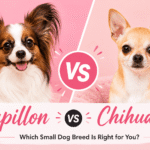
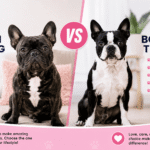
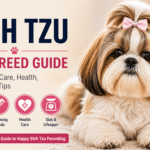
At Puppy Heaven, where we have facilitated over 30,000 puppy orders with 100% love in every service, we have observed that teacup and toy breeds frequently experience anal gland problems. Breeds like Yorkies, Pomeranians, Maltese, Shih Tzus, Frenchies, and even Teacup & Toy Boston Terrier Puppies for sale are particularly prone. Several factors contribute to this heightened risk:
- Smaller Ducts: Teacup and toy breeds inherently possess smaller anal gland ducts, which can become easily clogged or blocked.
- Dietary Sensitivities: These miniature marvels often have more sensitive digestive systems. Diets lacking in sufficient fiber or containing common allergens can lead to soft stools, which do not provide enough pressure to naturally express the glands.
- Genetic Predisposition: Some small breeds are simply genetically predisposed to anal gland issues, making it a recurring problem despite best efforts.
- Obesity: Even a small amount of excess weight in a tiny dog can hinder the natural expression of anal glands.
- Allergies: Environmental or food allergies can cause inflammation and swelling around the anal glands, making natural expression difficult.
As top-quality puppy specialists, we emphasize the importance of monitoring your miniature companion closely for any signs of discomfort.
Recognizing the Key Signs of Anal Gland Problems
Early detection of anal gland issues is crucial for preventing more severe complications. Pay close attention to your puppy’s behavior and physical condition. Here are the most common signs that indicate your dog might be experiencing anal gland problems:
1. Scooting or “Butt Dragging”
This is arguably the most classic and widely recognized symptom. A dog experiencing anal gland discomfort will often drag their rear end across the floor, carpet, or grass. They do this in an attempt to relieve the itching, pain, or pressure caused by full or impacted anal glands. While occasional scooting might not be an immediate cause for alarm, consistent or frequent scooting warrants veterinary attention.
2. Excessive Licking or Chewing Around the Rear End
If you notice your puppy constantly licking, chewing, or biting at their hindquarters, under their tail, or directly around the anus, it’s a strong indicator of irritation. This self-grooming behavior becomes excessive when driven by discomfort. Persistent licking can also lead to skin irritation, hot spots, or secondary infections in the affected area.
3. Foul, Fishy Odor
When anal glands become full or impacted, they can emit a distinct, strong, and often foul “fishy” odor. This smell is particularly noticeable if the glands are leaking or if your dog has recently scooted. The fluid within the glands is naturally pungent, but an overwhelming or persistent odor usually signifies a problem. This odor can sometimes be confused with bad breath, so be sure to pinpoint the source of the smell.
4. Difficulty or Painful Defecation
Impacted or infected anal glands can cause significant pain and pressure, making defecation uncomfortable or even agonizing for your dog. You might observe your puppy straining excessively during bowel movements, crying out, or showing reluctance to defecate. They may also adopt an unusual posture while attempting to relieve themselves. This can sometimes lead to constipation or changes in stool consistency.
5. Swelling or Redness Around the Anus
Visibly inspecting your dog’s rear end, especially if other symptoms are present, can reveal swelling or redness. The area around the anus might appear inflamed or distended if the anal glands are severely impacted or abscessed. In severe cases, an abscess can look like a painful, red lump, potentially rupturing and releasing pus or blood. This is a critical sign requiring immediate veterinary care.
6. Changes in Tail Carriage
A dog in pain or discomfort around their rear might hold their tail down or tucked between their legs more frequently than usual. This posture is an instinctive reaction to protect a sensitive area. If your normally happy-tailed puppy suddenly keeps their tail lowered, especially in conjunction with other symptoms, it could indicate anal gland distress.
7. Lethargy, Fever, or Loss of Appetite
In more advanced stages, particularly with infection or abscess formation, your puppy might exhibit systemic signs of illness. These can include lethargy, a noticeable decrease in energy levels, reluctance to play, a fever, or a significant loss of appetite. These are signs that the problem has progressed beyond simple impaction and requires urgent veterinary attention.
Common Causes of Anal Gland Problems
Understanding the underlying causes can help in preventing and managing anal gland issues:
- Inadequate Fiber in Diet: A diet lacking sufficient fiber can result in soft stools that don’t exert enough pressure on the anal glands during defecation, preventing natural expression.
- Allergies: Food or environmental allergies can lead to inflammation throughout the body, including around the anal glands, causing them to swell and become difficult to express.
- Obesity: Overweight dogs, especially small breeds, may have excess fatty tissue around the anal glands, which can impede their natural function.
- Genetics: Some dogs are simply predisposed due to the anatomical structure of their anal glands and ducts, making them more prone to impaction.
- Lack of Exercise: A sedentary lifestyle can contribute to sluggish bowel movements, further reducing the chances of natural anal gland expression.
- Chronic Diarrhea or Constipation: Both extremes can affect stool consistency and the pressure needed for proper gland emptying.
Prevention and Management Strategies
Proactive measures can significantly reduce the incidence of anal gland problems in your puppy:
- High-Quality, Fiber-Rich Diet: Ensure your puppy’s diet includes adequate fiber to promote firm, consistent stools. Consult your veterinarian for appropriate dietary recommendations for your specific breed.
- Weight Management: Maintain a healthy weight for your dog. Regular exercise and portion control are vital, especially for miniature breeds.
- Regular Veterinary Check-ups: Schedule routine visits with your veterinarian. They can check your puppy’s anal glands during examinations and manually express them if necessary.
- Professional Expression: If your dog is prone to recurrent issues, your vet or a professional groomer can perform regular manual expressions. Discuss the frequency that is appropriate for your dog with your vet.
- Allergy Management: If allergies are suspected, work with your vet to identify and manage them through dietary changes or medication.
- Supplements: Some veterinarians recommend fiber supplements, such as psyllium, or probiotics to improve stool quality and digestive health.
When to Seek Veterinary Care
Do not attempt to express your dog’s anal glands yourself without professional guidance. Incorrect technique can cause pain, trauma, and even lead to further infection. If you observe any of the signs discussed above, especially if they are persistent, severe, or accompanied by systemic illness, contact your veterinarian promptly.
Untreated anal gland problems can quickly escalate from impaction to infection, abscess formation, and even rupture. An abscess is an extremely painful condition that requires immediate medical attention, often involving drainage, antibiotics, and pain relief.
At Puppy Heaven, we prioritize the health of our puppies. Each of our teacup and toy puppies undergoes thorough health checks, ensuring they are healthy and happy before joining your family. This commitment stems from over two decades of dedication to healthy, socialized miniatures. We back our puppies with a guarantee, offering you peace of mind as you welcome your new companion. Trust us for a seamless and luxurious experience, matching you with the perfect furry friend.
Bringing Home Your Healthy Miniature Marvel
Choosing a puppy from Puppy Heaven means selecting a healthy, ethically bred, and lovingly raised companion. Our expertise in toy & teacup puppies for sale is unmatched. Whether you are searching for All Designer Breeds or purebred miniature marvels, we ensure every puppy is vet-checked and ready for their forever home.
We understand that bringing a new puppy home is a significant investment. That’s why we offer convenient Puppy Financing Solutions. Get Your New Puppy Today! Pay Later With Puppy Financing. You can secure up to $20,000 with quick approval in 5 minutes, choosing flexible options to cover your puppy and even shipping costs. If needed, apply with multiple financing companies for your perfect companion. Get Your Dream Puppy Today, Pay Later!
Experience seamless joy with our Nationwide Puppy Delivery Options. Choose Standard Puppy Shipping for secure, stress-free travel or elevate your excitement with Personal Puppy Hand Delivery, where our team ensures a smooth journey from kennel to your loving arms. Your happiness, our priority at Puppy Heaven. Choose the perfect delivery for your pint-sized bundle of joy!
We invite you to visit our luxury boutiques in Las Vegas, Nevada, or Sunrise, Florida, to meet our smallest and cutest Toy & Teacup puppies. Your journey to unparalleled companionship starts here!
Frequently Asked Questions About Anal Gland Problems
Q1: Can anal gland problems be completely prevented?
While some dogs are genetically predisposed, many anal gland problems can be prevented or significantly reduced through proper diet, maintaining a healthy weight, regular exercise, and consistent veterinary check-ups. Addressing allergies promptly also plays a crucial role.
Q2: How often should a dog’s anal glands be expressed?
Most dogs naturally express their anal glands during defecation and never require manual expression. For dogs prone to issues, the frequency varies widely. Some may need expression every few weeks, while others might only need it every few months. Your veterinarian will advise on the appropriate schedule based on your dog’s individual needs.
Q3: Is scooting always a sign of anal gland problems?
Scooting is a primary indicator of anal gland issues, but it can also be caused by other irritations such as tapeworms, allergies, or general itchiness. However, if accompanied by other symptoms like licking, odor, or difficulty defecating, anal gland problems are highly likely. Always consult your vet to rule out other causes.
Q4: What happens if anal gland problems are left untreated?
Untreated anal gland problems can lead to severe pain, chronic inflammation, impaction, infection (sacculitis), abscess formation, and even rupture. An abscess is a painful pocket of pus that requires immediate veterinary attention, often involving drainage, antibiotics, and pain management. Timely treatment is vital to prevent serious health complications.
Q5: Can diet really make a difference for anal gland health?
Absolutely. Diet plays a significant role. A high-quality diet rich in fiber promotes firm, bulky stools that naturally press against and empty the anal glands during defecation. Avoiding common allergens can also reduce inflammation that contributes to anal gland issues. Discuss dietary changes with your veterinarian for the best approach for your specific puppy.